
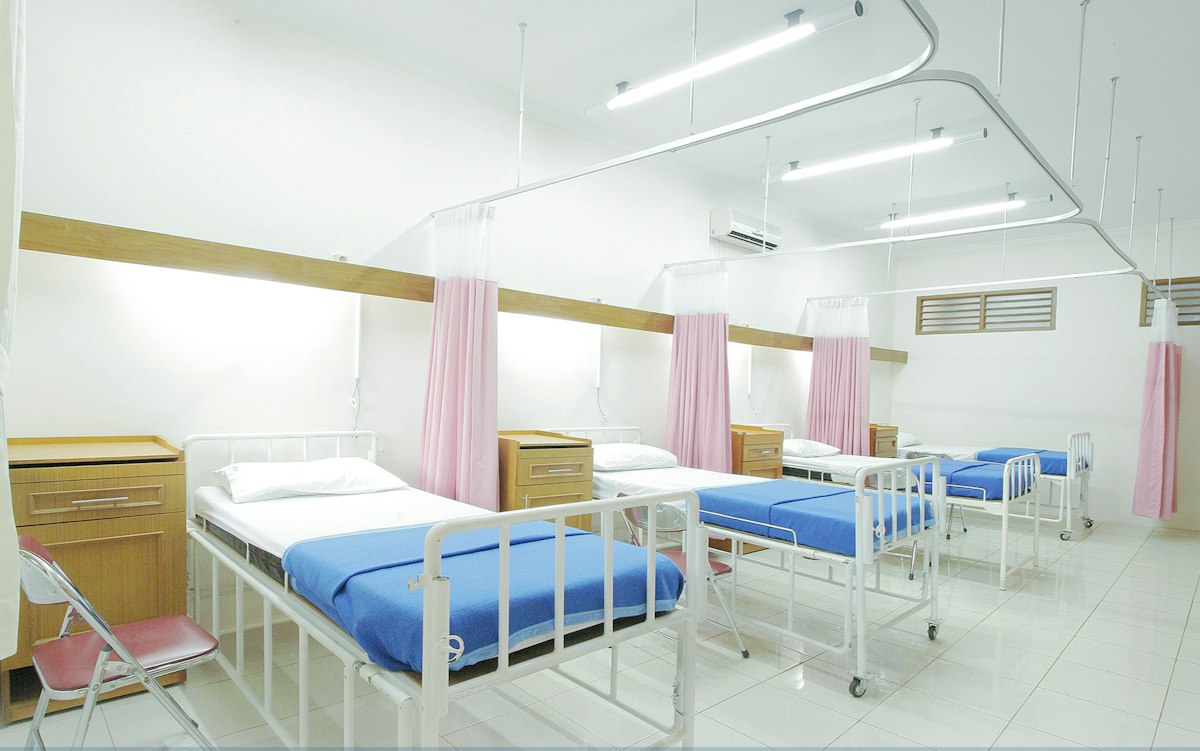
The Sedation Problem Every Colonoscopy Patient Faces
Colonoscopy screening is one of the most effective tools for detecting colorectal cancer early, and medical guidelines recommend that most adults begin routine screenings at age 45. The procedure itself takes thirty to sixty minutes, but the sedation administered during the exam creates a transportation challenge that prevents the patient from driving for the rest of the day. Most endoscopy centers will not even discharge a patient unless a designated driver is present and ready to take them home.
This requirement catches many patients off guard, especially those who live alone or whose family members cannot take time off work for what seems like a routine screening. Arranging medical transport for outpatient procedures before the appointment date solves the problem cleanly and ensures the endoscopy center’s discharge requirements are met without stressing about last-minute ride cancellations.
What Happens After the Sedation Wears Off
The sedation drugs used during colonoscopy, typically propofol or a combination of midazolam and fentanyl, create a twilight state where the patient is relaxed and largely unaware of the procedure. After the exam, the patient spends thirty to sixty minutes in recovery as the most intense effects dissipate. However, the drugs continue to impair cognitive function, reaction time, and judgment for up to twelve hours. Patients often feel alert and normal well before the drugs have fully cleared, which makes the temptation to drive especially dangerous.
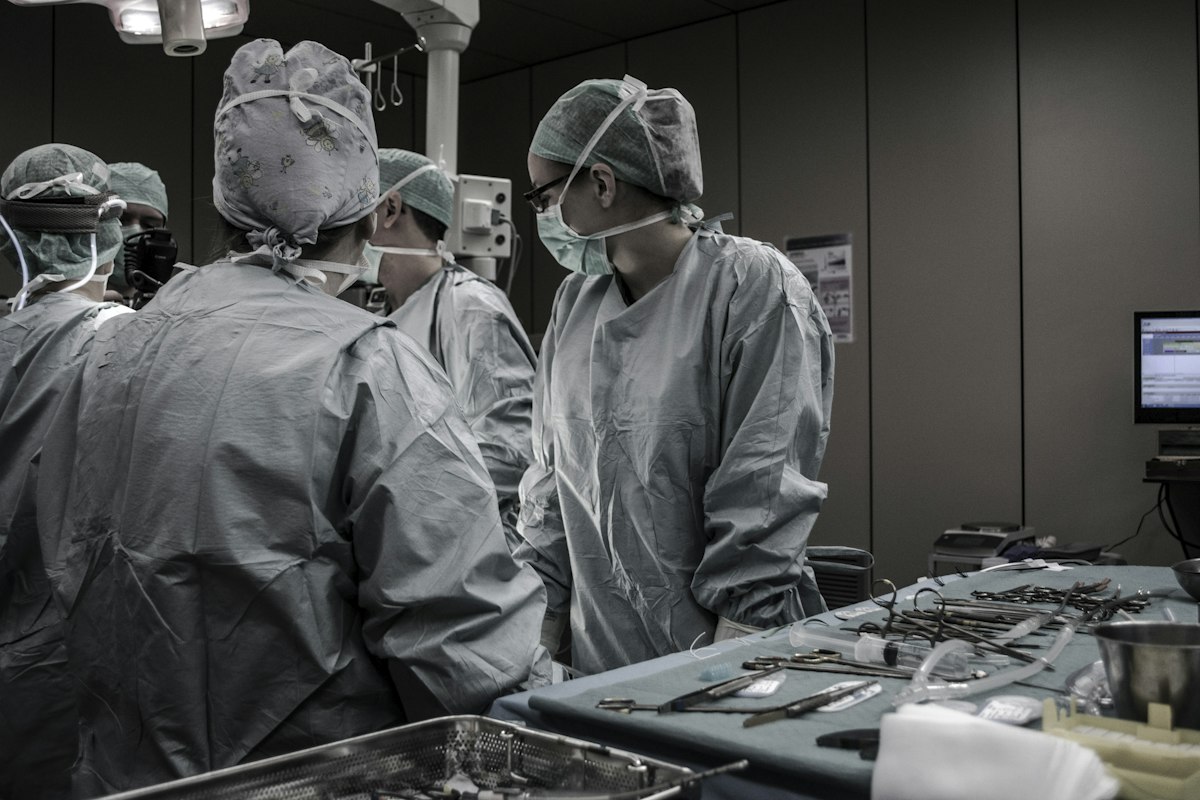
A medical transport driver picks the patient up at the discharge door, confirms their identity and destination with the nursing staff, and gets them home safely. Unlike a rideshare driver, a medical transport crew member understands what post-sedation looks like, can distinguish normal drowsiness from a concerning reaction, and knows what to do if the patient becomes nauseous or lightheaded during the ride.
Colonoscopy Patients With Additional Mobility Challenges
Many colonoscopy patients are over 60 and may have mobility issues unrelated to the procedure itself. Arthritis, recent joint replacement, balance disorders, and the use of walkers or canes all complicate the simple act of getting into and out of a vehicle. Medical transport vehicles designed for seated patients offer lower step heights, interior grab bars, and a driver trained to assist with physical transfers without rushing the patient.
For patients who are bed-bound or require stretcher transport, a private ambulance service handles the colonoscopy ride with all the clinical support needed. Patients who also need regular medical transport for other chronic conditions can coordinate colonoscopy rides alongside recurring appointments, such as those managed through a dialysis transport schedule.
Booking Your Post-Colonoscopy Ride
The best time to book your colonoscopy transport is the same day you schedule the procedure. Provide the transport company with the endoscopy center address, your appointment time, an estimated pickup window (usually one to two hours after the procedure start time), and your home address. Let them know if you use a walker, wheelchair, or have steps at your front door so they can bring the right vehicle and equipment.
Contact Aros Medical Transportation to arrange your colonoscopy day ride. We handle the transportation so you can focus on the most important thing: completing the screening that could save your life.