
Why Oral Surgery Patients Cannot Get Themselves Home
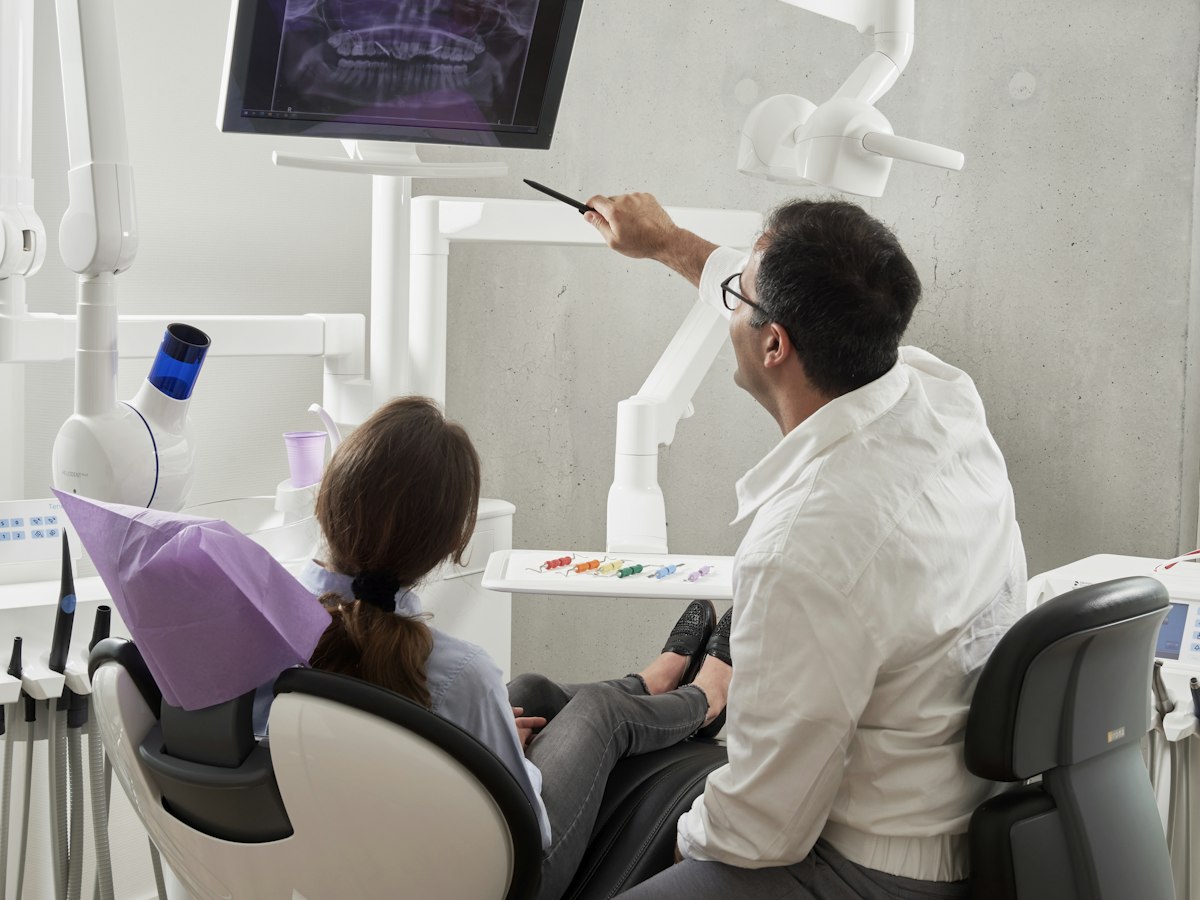
Oral surgery covers a wide range of procedures including wisdom teeth extraction, dental implant placement, jaw realignment, bone grafts, and the removal of impacted teeth. Nearly all of these procedures involve either IV sedation or general anesthesia, which means the patient is legally and medically prohibited from driving for at least twenty-four hours afterward. The oral surgeon’s office will require confirmation that a responsible adult is available to drive the patient home before they will proceed with the sedation.
For younger patients having wisdom teeth removed, a parent or friend usually handles the ride. But for adult patients undergoing implant surgery or corrective jaw procedures, the logistics are not always that simple. Taking a full day off work to sit in a waiting room is a big ask, and not everyone has someone available to make it. Medical transport for outpatient surgery fills this gap with a professional driver who meets the surgeon’s discharge requirements and gets the patient home safely.
Managing Pain, Swelling, and Gauze on the Ride Home
Oral surgery patients leave the office with gauze packed in their mouth, ice packs held against their jaw, and prescriptions for pain medication and antibiotics that need to be filled quickly. The face is swollen, communication is difficult, and the patient may still be disoriented from the anesthesia. A medical transport driver experienced with post-surgical patients understands all of this and does not need the patient to give turn-by-turn directions or make conversation.
The driver can also make a pharmacy stop on the way home if the patient needs prescriptions filled, which eliminates a second trip later when the patient is in pain and unable to drive. This small logistical courtesy can make a meaningful difference in how quickly the patient gets comfortable at home and begins their recovery in earnest.
Corrective Jaw Surgery and Extended Recovery Transport
Orthognathic surgery, commonly known as corrective jaw surgery, is a more extensive procedure than a simple extraction. The jaw may be wired shut or banded, and the patient faces weeks of restricted movement, a liquid diet, and significant facial swelling. The ride home from this type of surgery may require a vehicle with more interior space and the ability to recline the patient’s seat to reduce pressure on the jaw and minimize swelling.
Follow-up appointments in the days and weeks after jaw surgery are critical, and many patients cannot drive for two weeks or more due to the combination of pain medication and physical limitation. Scheduling recurring transport through the same provider ensures the patient makes every follow-up without relying on favors from friends and family. For patients with additional medical needs, private ambulance services offer stretcher-level transport for those who cannot sit upright during the recovery period.
Booking Transport for Your Oral Surgery
Schedule your transport as soon as your surgery date is confirmed. Provide the oral surgeon’s office address, expected procedure duration, and your home address. Mention any stops you may need on the way home, such as a pharmacy. If you are having multiple procedures or will need transport for follow-up visits, ask about package pricing for multiple trips.
Contact Aros Medical Transportation to arrange your oral surgery transport. Whether it is a routine wisdom teeth extraction or a complex jaw reconstruction, we get you home safely while you focus on healing. For patients needing longer-distance transport to a specialist oral surgeon, our long distance transportation services cover rides to surgical centers outside your immediate area.